
Reflections from the 2026 Philanthropic Leaders Track
On March 2–4, 2026, philanthropic leaders from across the country gathered in San Diego for Leading Together for Housing Justice in the Face of Authoritarianism, the Philanthropic Leaders Track at the National Alliance to End Homelessness Leadership Summit on Ending Homelessness, curated by Funders Together for Housing Justice.
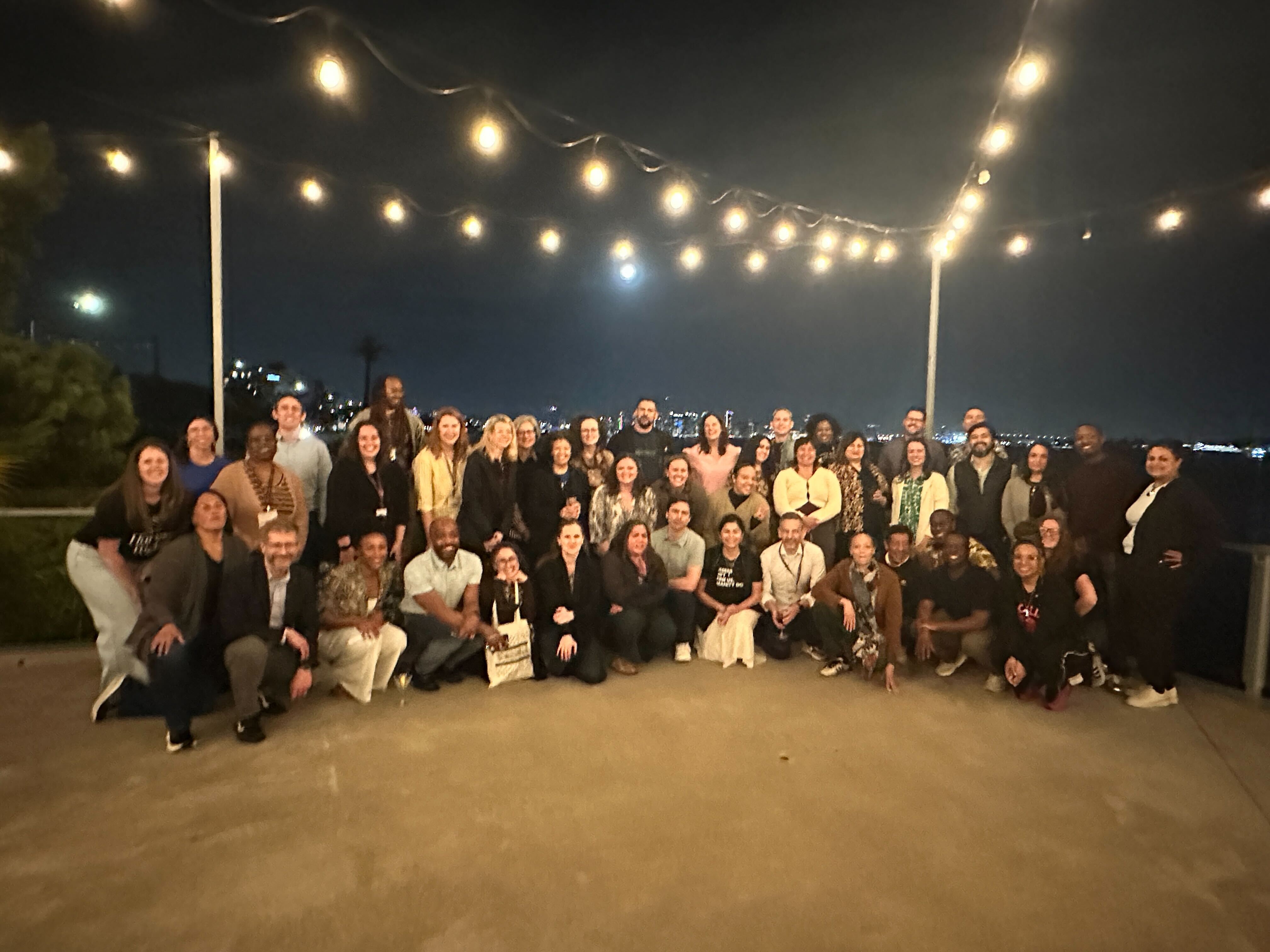 Philanthropic Leaders Track attendees gather for the Funder Networking Reception
A new format for Funders Together events, the track created space for funders to reflect honestly on the political environment we are in, the limits of familiar strategies, and how philanthropy must move with greater courage, alignment, and imagination. The gathering also invited participants to ground themselves in relationship and connection, with support from Alexander Hardy of GetSomeJoy, whose work reminded us that sustaining movements for justice requires space for reflection, presence, and joy even in difficult political moments.
What stayed with us most from these days together were the questions participants carried home with them — about collaboration, narrative, power, and what it means to fund housing justice in a time when democracy itself feels contested.
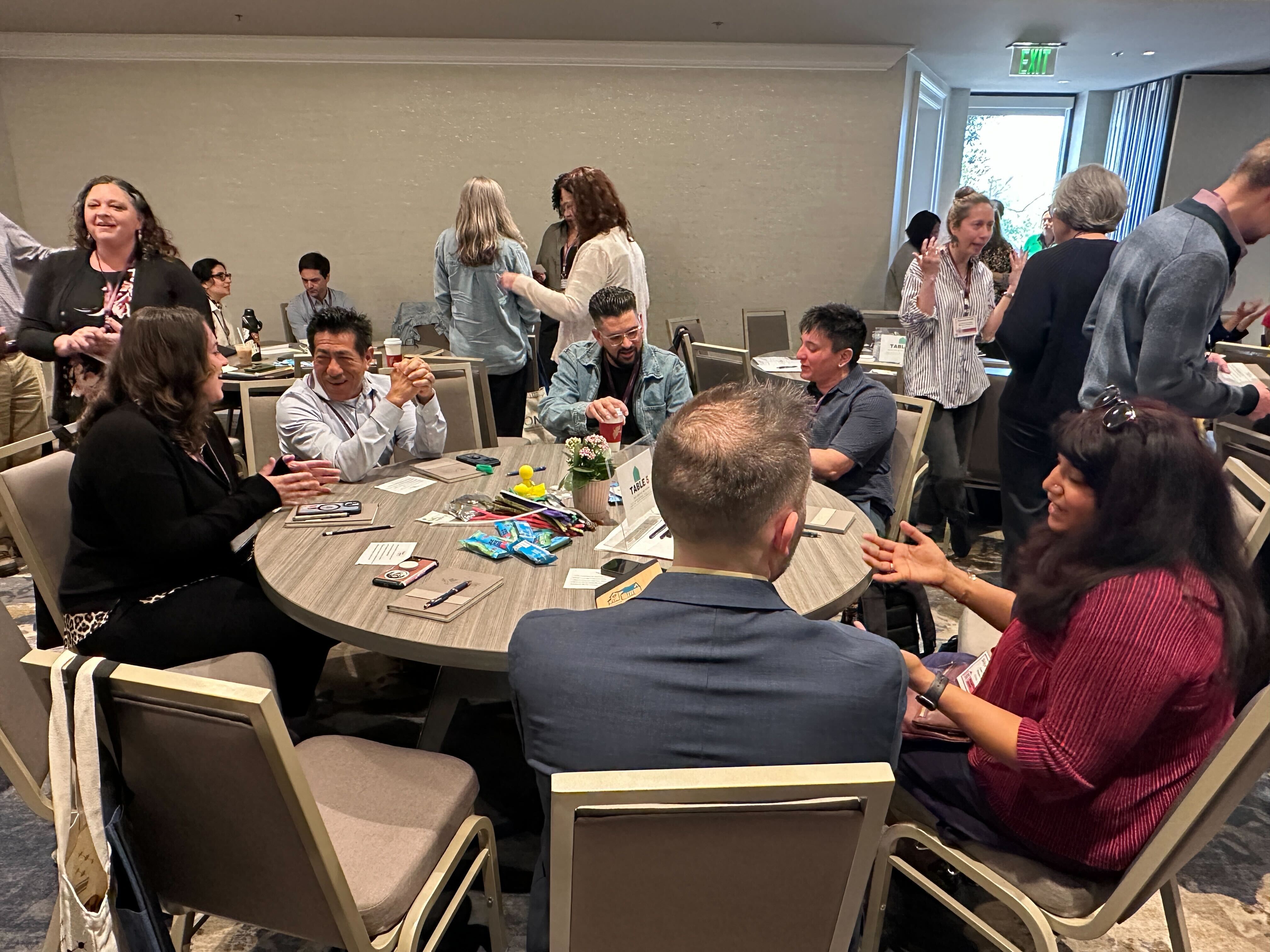 Attendees engage in ice breakers to connect with peers in the room
For Kathy Niedorowski, Senior Manager of Partnerships and Programs at Chicago Funders Together to End Homelessness, the convening was marked by a question that echoed across the entire track: what will philanthropy choose to fund when the ground beneath us shifts?
“And when the seasons change, will you stand by me?’ is a lyric that kept playing in my head throughout the Philanthropic Leaders Track. We are living through a moment of deep uncertainty in the homelessness and housing sector, and Maegan Scott challenged us with the question, ‘Will the aperture of funding support things that feel familiar, or will it change as the tides change?’ That question stayed with me long after the convening ended.
I left thinking about the need for funders to create space to dream, to build relationships across silos, and to support new ways of working together. As Dawn Phillips of Right to the City reminded us, doing more of the same thing isn’t getting us where we need to be. If we want different outcomes, philanthropy has to help make room for different ideas.”
Throughout the track, speakers and participants returned again and again to the idea that this moment demands more than technical solutions. It requires deeper collaboration, stronger relationships with movements, and a willingness to fund work that may not fit neatly into traditional grantmaking categories.
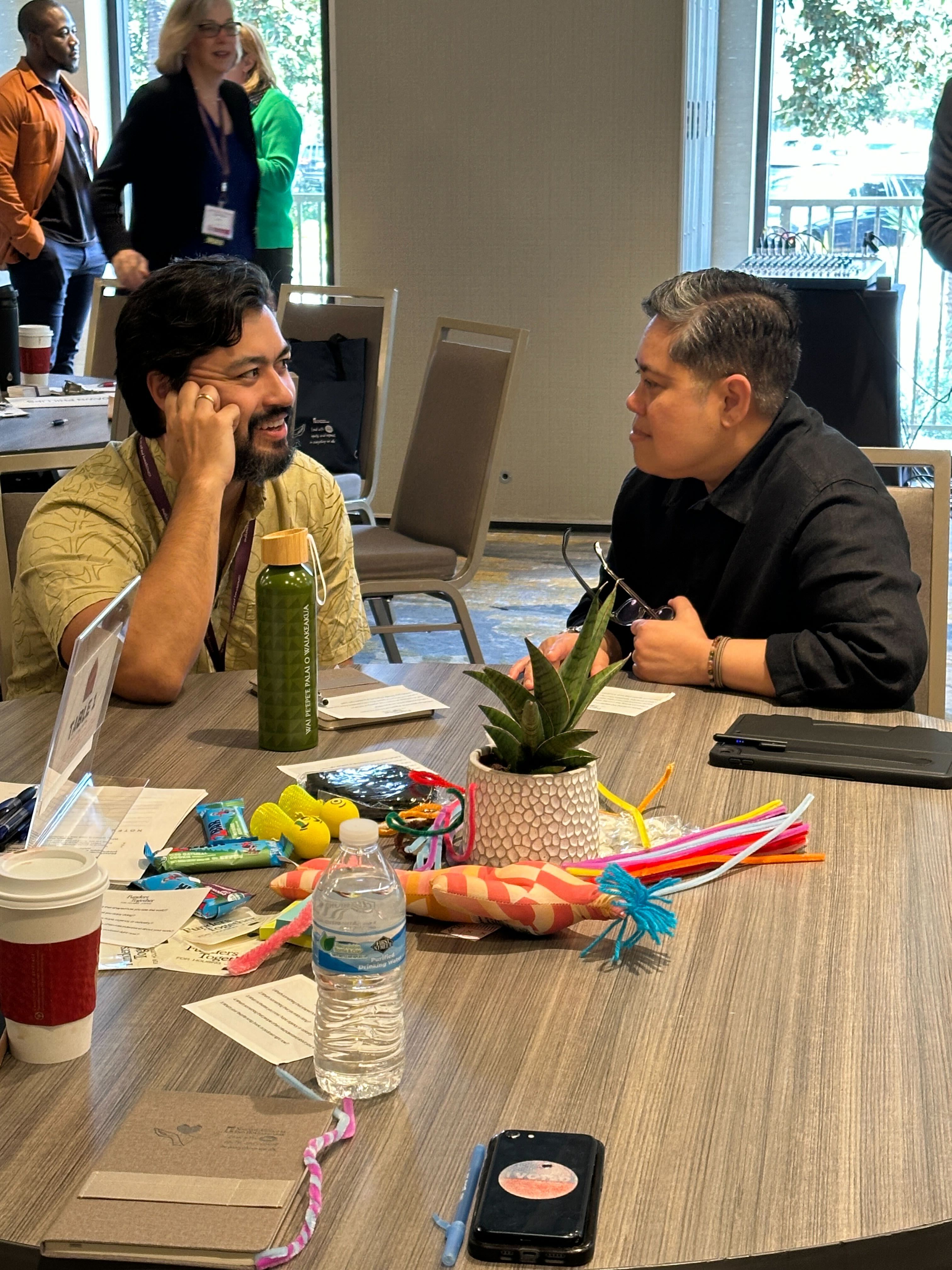 Attendees and speakers connect between sessions
Sessions explored how funder networks can act collectively at the local and regional level, how philanthropy can move from defense to offense in policy fights, and how housing justice is inseparable from democratic participation and civic power. Participants also examined emerging models for shared decision-making, including approaches that center community voice in policy and funding decisions, and discussed the importance of prevention strategies that keep people housed in the first place.
For Kathy, these conversations also sharpened questions about narrative change — work that is often acknowledged as essential, but too rarely funded at the scale required.
“We also talked about why narrative change is so often under-invested in. Changing hearts and minds is slow, it requires long-term commitment, and it’s difficult to measure — but it’s necessary if we want different policy outcomes. Coming back home, our collaborative is thinking about how we can play a stronger role in supporting narrative change across our region, not just funding programs but helping reshape how people understand housing, homelessness, and who deserves stability. The track gave us the tools and the encouragement to think bigger about what that could look like.”
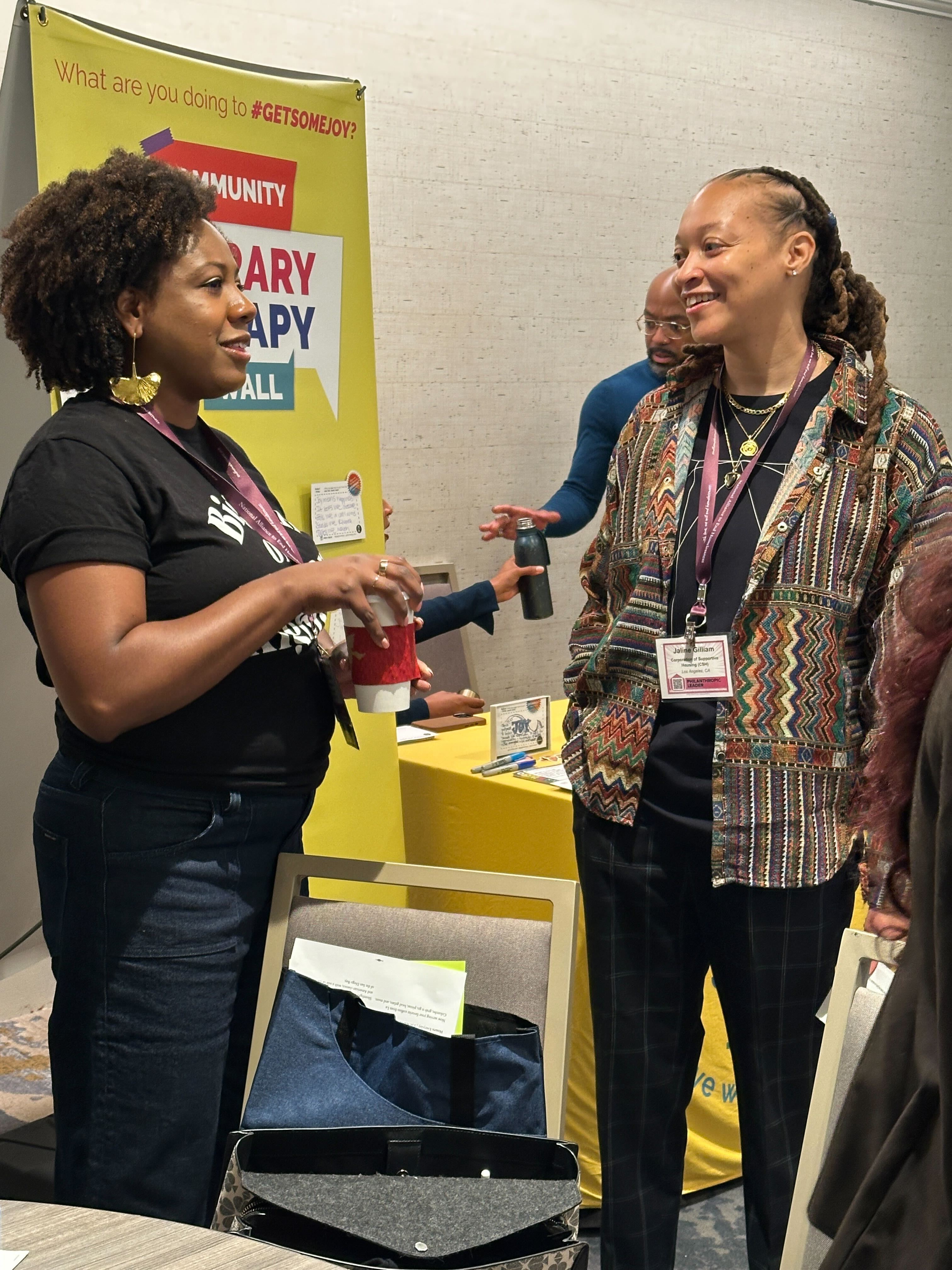 Interim Co-CEO Maegan Scott connects with track attendees
Participants also spoke about the importance of gathering in spaces where philanthropy can speak candidly about risk, power, and responsibility. In a time when unhoused communities face increasing criminalization, shrinking resources, and growing political hostility, the opportunity to learn alongside peers felt both grounding and energizing.
For Chimene Okere, Director of the Democratizing Development Program at Neighborhood Funders Group, the convening offered both clarity about the challenges ahead and renewed commitment to meeting them together.
“In this moment, when unhoused communities face fewer pathways to housing and more state-sanctioned harm, learning and co-conspiring with other funders felt clarifying and inspiring. The work of resourcing solutions to the forces undermining the dignity of low-income communities can feel overwhelming, but the Philanthropic Leaders Track challenged us to imagine beyond our usual philanthropic goals and to fund new partnerships that can actually shift what’s possible.
Dawn Phillips’s panel on confronting authoritarianism was a powerful reminder that those funding racial equity need to deepen relationships with movements for racial justice — and the same is true in the other direction. That kind of alignment requires vision, curiosity, and a willingness to build relationships across movements. We will only be able to resource housing justice for future generations if spaces like this continue to strengthen the relationships, shared language, and belief among philanthropic leaders. I left feeling renewed for the work ahead and grateful for the comrades who will be doing it together.”
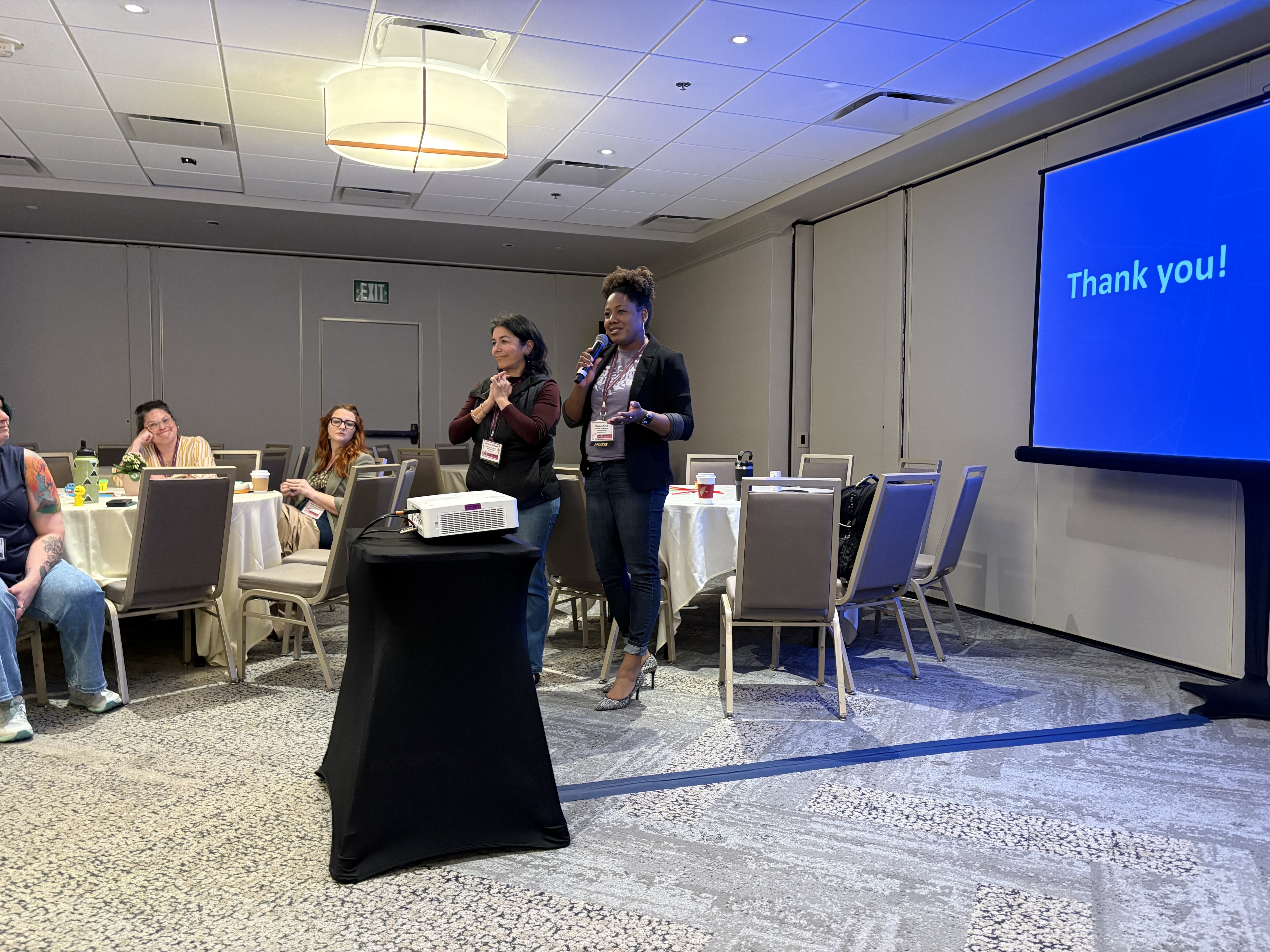 Interim Co-CEOs Maegan Scott and Jessica Venegas close out the Philanthropic Leaders Track
Across the three days, a common thread emerged: the work ahead will require philanthropy to move differently, collaborate more deeply, and take more risks. It also must invest in organizing, narrative, and coalition infrastructure and support prevention, not only crisis response. And to remain grounded in the belief that housing justice is inseparable from racial justice and democracy itself.
Convenings like the Philanthropic Leaders Track do not offer easy, or always clear answers. What they offer instead is something just as necessary — time to think together, to challenge assumptions, and to remember that none of this work can be done alone.
As we return to our communities, the question remains with us:
When the seasons change, will we stand by one another — and will philanthropy be willing to change with them?
Showing 1 reaction