

This Black Philanthropy Month, Funders Together for Housing Justice asks philanthropy to move beyond celebration toward action: What must we protect? What must we build? And how far are we willing to go to transform the conditions that continue to produce housing injustice?
By Rachelle A. Matthews, Sr. Director, Strategy & Movement
Black philanthropy did not begin with foundations.
Long before philanthropy became an institution, Black communities were practicing it. We passed the plate. Paid a neighbor’s rent. Buried one another’s loved ones. Opened our homes. Pooled resources. Purchased land. Built schools, churches, businesses, neighborhoods, and movements.
For Black communities, giving has never been simply about generosity. It has been a strategy for survival, resistance, self-determination, and liberation.
 Madam C.J. Walker built wealth while investing deeply in Black institutions, education, civil rights, and community advancement.
That legacy is part of what Black Philanthropy Month was created to honor. Founded in 2011 by Dr. Jacqueline Bouvier Copeland, Black Philanthropy Month has grown into a global movement celebrating Black giving and advancing funding equity across the African Diaspora.
This year’s theme, One Voice One Movement, asks us to consider not only what we share, but what collective action those shared commitments require.
For Funders Together for Housing Justice, that raises a critical question:
What does Black philanthropy require of us now?
Not simply what we are willing to give, but what are we willing to protect, build, reform, and transform?
What Must We Protect?
We are operating under political conditions that demand defense.
Across the country, Black communities are navigating rising housing costs and displacement alongside attacks on programs, policies, institutions, and movements that generations fought to build.
There is much that philanthropy must block.
We must protect people from immediate harm. Defend organizations and communities under attack. Preserve housing and resources people cannot afford to lose. Stand alongside organizers and advocates fighting to keep people housed, safe, and free.
This work matters. Sometimes immediate intervention keeps someone housed today. Sometimes protecting an existing program or policy is the difference between stability and displacement.
But defense alone cannot define the boundaries of our imagination.
What Must We Build?
If all of our resources go toward protecting what exists, we risk preserving systems that were never designed to produce justice in the first place.
We must also build.
Build community ownership. Build social housing. Build tenant power. Build Black-led movement infrastructure. Build pathways for communities to own land, remain in their neighborhoods, and determine what happens to the places they call home.
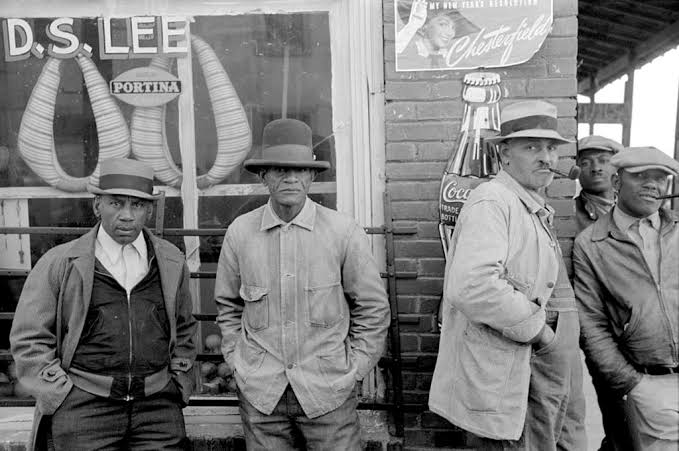 Mound Bayou, Mississippi, shows Black philanthropy as more than charitable giving. Founded by formerly enslaved Black families, the town was built through collective investment in land, businesses, schools, and institutions that protected Black communities while creating new pathways to ownership, power, and self-determination.
Block and Build are not sequential strategies.
We do not block now and build later.
We protect communities from the harm in front of us while investing in the conditions that make something different possible.
What Must We Reform—and What Must We Transform?
Housing tells a powerful story about the limits of reform.
For generations, Black communities have been denied equitable access to land, housing, credit, homeownership, and the wealth those assets create. Redlining, segregation, urban renewal, predatory lending, and displacement were not accidents. They were produced through policy, systems, and choices about who should have access to power and resources.
Philanthropy can help people better navigate those systems.
Or we can invest in changing them.
Reform is not inherently bad. Necessary reforms reduce harm, preserve resources, and keep people housed today.
But reform cannot become our destination.
Transformation asks a deeper question: Are our investments changing the conditions that created housing injustice in the first place?
That means moving beyond helping Black communities survive inequitable systems and toward changing who owns, who decides, who benefits, and who holds power.
It means moving beyond funding programs that serve Black communities toward resourcing Black power.
And that requires philanthropy to consider not only where our dollars go, but whether our practices shift power to communities or reinforce the institutions that already hold it.
 The Minnesota Black Collective Foundation emerged from the 2020 racial justice uprising to strengthen Black-led change, build community wealth, and push philanthropy toward greater accountability and power-sharing.
One Voice. One Movement. One Call to Action.
At Funders Together for Housing Justice, we believe housing is a fundamental human right and a building block for racial justice and liberation. Housing justice means more than access to safe, secure, affordable, and dignified housing. It means people have power and agency over how and where they live.
Black Philanthropy Month invites us to honor generations of Black people who understood that giving was not simply charity. It was a way to create safety, possibility, belonging, and freedom when those things were systematically denied.
One Voice One Movement cannot simply mean speaking together. Movement requires movement.
From intention to action.
From generosity to power.
From responding to inequity to changing the conditions that produce it.
So this Black Philanthropy Month, we invite philanthropy to locate itself:
What are you blocking because communities cannot afford the harm?
What are you building because what we need does not yet exist?
What are you reforming because people need relief today?
And what are you willing to transform so that generations from now, the same relief is no longer necessary?
Black communities have always understood giving as an act of collective possibility.
The question before institutional philanthropy is whether we are willing to invest with the same courage.
Protect what must be protected. Build what does not yet exist. Reform what reduces harm today. And invest boldly enough to transform the conditions that made the fight necessary in the first place.
If you are interested in learning more about our Block & Build framework or exploring how to put it into practice, Funders Together is here to support you. Reach out to us for resources, technical assistance, or talk through how you can put it into practice.
Showing 1 reaction